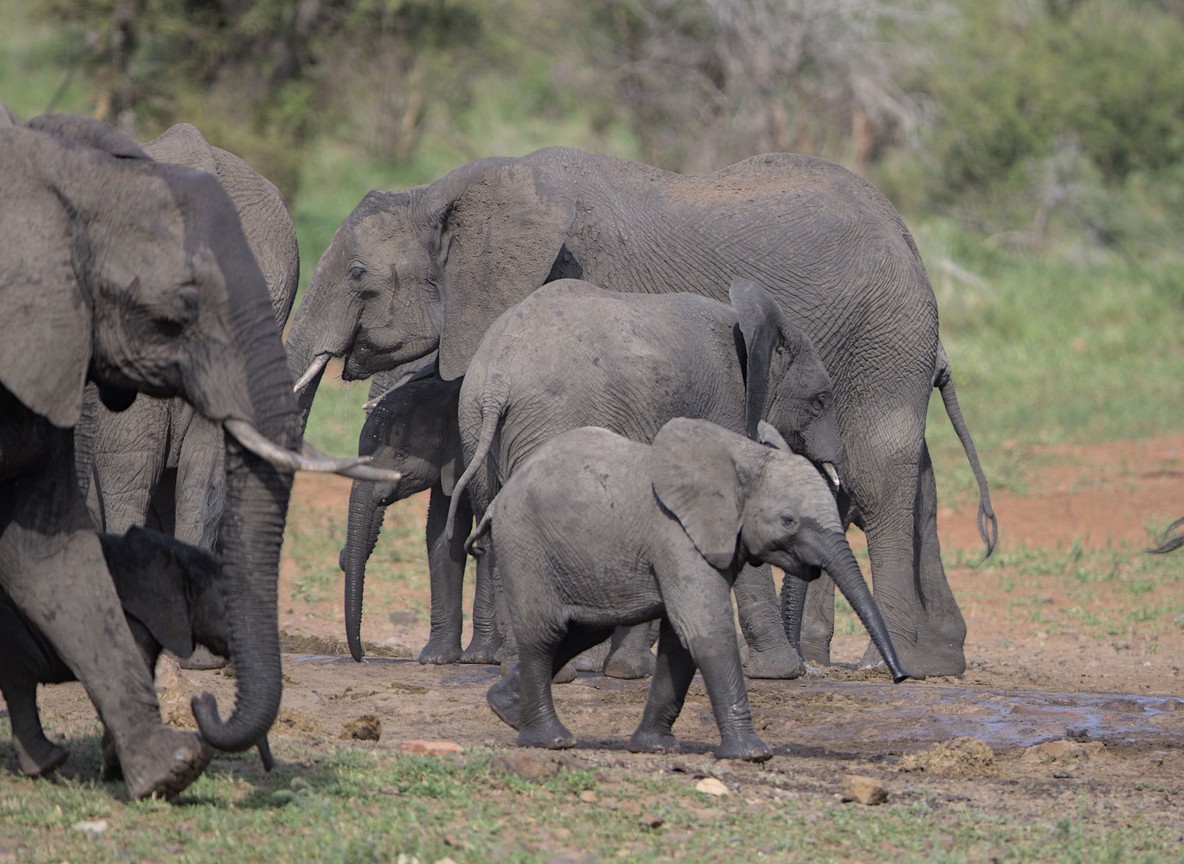
Samburu sits north of the equator in a hotter, drier landscape than the Masai Mara or Amboseli, and that shifts the whole planning calendar. The reserve covers just 165 km2, small enough to pair easily with neighboring Buffalo Springs (131 km2) and Shaba (239 km2) on the same trip. Touring Insights breaks down what each month actually delivers here, from dust-red elephant herds at the Ewaso Ng’iro River to the reticulated giraffe and Grevy’s zebra found almost nowhere else in Kenya, so you can match your dates to the trip you actually want.
Why Samburu’s Calendar Works Differently
Planning the trip itself? See TouringInsights’s Kenya Safari Best Time to Visit for Portuguese Speakers: Dry for current prices, dates and what is included.
Most Kenya safari guides describe four seasons: long rains, long dry, short rains, short dry. Samburu follows that same rough pattern, but its low elevation and semi-arid terrain push temperatures higher and rainfall lower than the Mara or the central highlands. Daytime highs here regularly clear 30°C even outside the hottest months.
That heat keeps wildlife close to permanent water for most of the year. The Ewaso Ng’iro River, which cuts through both Samburu and Buffalo Springs, stays the single biggest draw for elephants, leopards, and the region’s dry-country specialists in almost every season. Rainfall timing still shapes road conditions, vegetation cover, and how far animals wander from the riverbank.
Samburu also anchors a three-reserve cluster with Buffalo Springs and Shaba, all sharing broadly the same climate. Planning a season around Samburu usually means planning around all three, since a single non-resident ticket covers Samburu and Buffalo Springs together and many camps sit close enough to visit both in one day.
June to October: Long Dry Season, Peak Game Viewing
June through October is Samburu’s most reliable game-viewing window. Grass thins out, seasonal pools dry up, and wildlife concentrates along the Ewaso Ng’iro River and the natural springs at Buffalo Springs. Elephant herds gather at the riverbanks in view of a single vehicle for long stretches, and predators follow the same water lines.
Daytime temperatures sit around 30-34°C with cooler mornings near 16-19°C. Rainfall drops close to zero across most of this window. Roads firm up throughout the reserve, which matters most on the rougher tracks toward Shaba. Camps run busiest during these months, though Samburu still sees far fewer vehicles per sighting than the Mara at the same time of year.
January to February: The Short Dry Window
A second, shorter dry spell follows Kenya’s November-December short rains. January and February bring clear skies back to Samburu, with daytime temperatures often pushing past 33°C, hotter than the June-October peak. Grass from the short rains has not fully dried out yet, so sightings reward patience near water over open-plain spotting.
This period suits travelers who want dry-season roads and thinner crowds without peak-season rates. Birdlife stays strong, since many migratory species linger into February before moving on. Pack sun protection over warm layers for this stretch, since mornings rarely dip much below 19°C.
March to May: Long Rains and the Green Season
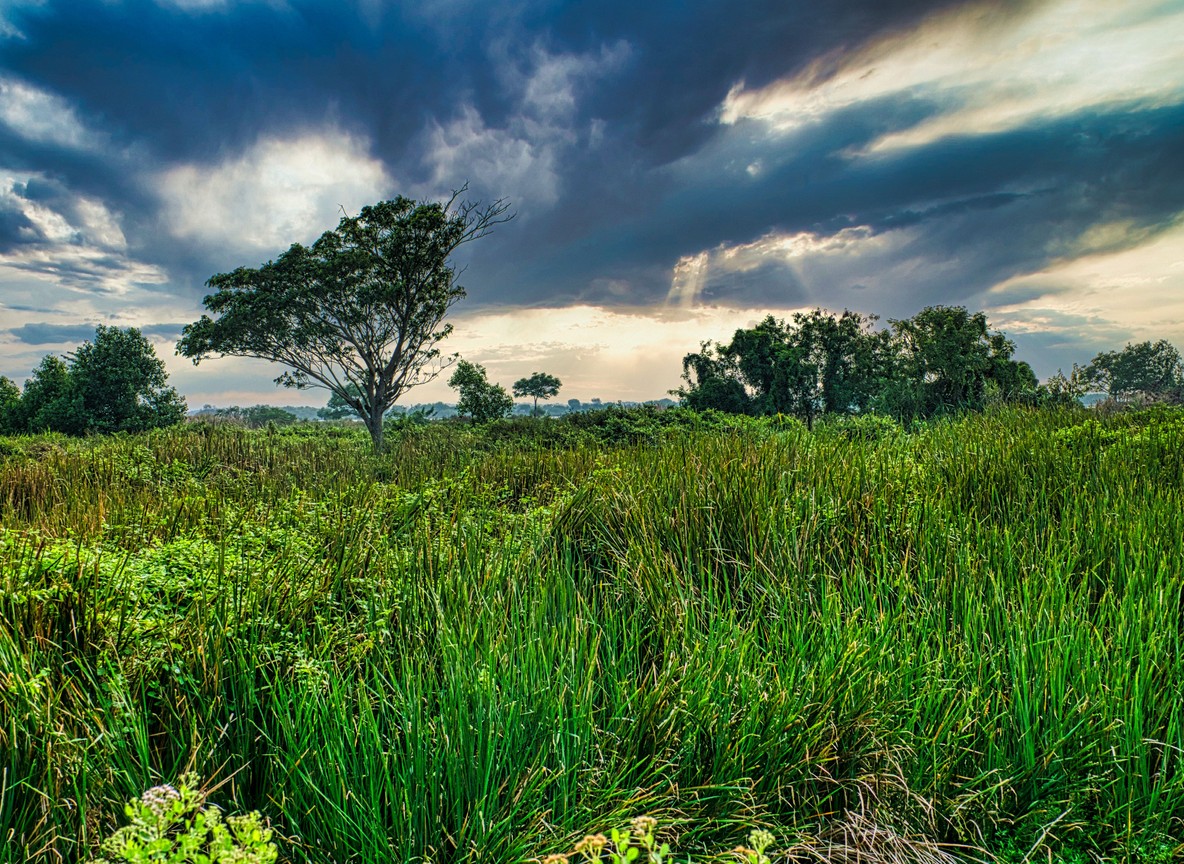
The long rains bring Samburu’s most dramatic transformation. Dust turns to green scrub within weeks, and doum palms along the river fill out against a fresh backdrop. Afternoon storms tend to be short and heavy rather than constant drizzle, but low-lying sections near the riverbanks can turn to mud fast.
Wildlife spreads out across the reserve as temporary water appears away from the main river, which can mean longer drives to find game. The trade-off is the lowest camp rates of the year and a landscape almost no visitor photographs. April tends to be the wettest single month, so travelers with flexible dates often aim for early March or mid-May instead.
November to December: Short Rains and a Quiet Reserve
The short rains arrive in November and typically ease by mid-December. Storms tend to be brief afternoon downpours that clear fast, leaving mornings and evenings open for game drives. Samburu turns green again, migratory birds arrive in numbers, and newborn animals start appearing among resident herds, including gerenuk and beisa oryx.
This window draws some of the fewest visitors of the year outside the wettest patches of April. Camp rates drop toward green-season levels while roads generally stay more passable than during the long rains. December can get busy briefly around the holidays at a handful of camps, so book those specific dates early if you want a festive-season trip.
Samburu Month-by-Month at a Glance
| Season | Months | Daytime Temp | Rainfall Pattern | Game Viewing | Crowd Level |
|---|---|---|---|---|---|
| Long dry | June-October | 30-34°C | Under 20mm/month (indicative) | Best of the year, concentrated at the river | Moderate, busiest of Samburu’s year |
| Short dry | January-February | 32-35°C | 20-40mm/month (indicative) | Strong near the Ewaso Ng’iro and springs | Light to moderate |
| Long rains | March-May | 28-32°C | Heaviest month April (indicative peak) | Scattered, harder to predict | Lowest of the year |
| Short rains | November-December | 29-33°C | Brief afternoon storms | Good, improving birdlife | Low, except holiday week |
Rainfall figures above are indicative long-term averages, not a forecast. Confirm current conditions with your camp or a licensed booking partner before travel.
Getting to Samburu: Distances, Gates and Fees
Samburu sits north of Mount Kenya along the Nairobi-Isiolo corridor, roughly 325-345 km from Nairobi via Nanyuki and Isiolo on the A2 highway. That drive takes about 5 to 6 hours, with the final stretch past Archer’s Post running on a mix of tarmac and graded murram road. Archer’s Post Gate is the main entrance to Samburu National Reserve and sits closest to the reserve’s cluster of riverside camps.
Scheduled light-aircraft flights from Nairobi’s Wilson Airport reach the Kalama or Samburu airstrip in roughly 1 to 1.5 hours, cutting the trip well below the road option. Non-resident park entry fees for Samburu and Buffalo Springs typically fall in the USD 60-100 per adult per day range under a single shared ticket, while Shaba is billed separately. Treat this as an indicative range only and confirm current fees with your camp or the county reserve authority before you travel, since rates and payment methods change without notice.
Travelers combining reserves have an easy option here. Buffalo Springs sits directly across the Ewaso Ng’iro River from Samburu, connected by causeways passable in dry conditions, which makes a two-reserve day achievable without a long transfer. Shaba, home to Chanler’s Falls and its own natural springs, sits a short drive east of Archer’s Post and suits travelers wanting a quieter third stop.
| Detail | Samburu National Reserve | Buffalo Springs National Reserve | Shaba National Reserve |
|---|---|---|---|
| Park size | 165 km2 | 131 km2 | 239 km2 |
| Main gate from Nairobi | Archer’s Post Gate, ~325-345 km | Gare Mara Gate, ~330 km | Shaba Gate, ~340 km |
| Airstrip | Samburu/Kalama Airstrip | Buffalo Springs Airstrip | Shaba Airstrip |
| Signature water feature | Ewaso Ng’iro River | Buffalo Springs itself | Chanler’s Falls |
| Non-resident daily fee (indicative) | USD 60-100/adult, shared with Buffalo Springs | USD 60-100/adult, shared with Samburu | Billed separately, similar indicative range |
Which Reserve Fits Your Dates: Samburu vs Buffalo Springs vs Shaba
All three reserves share the same broad climate, so the month-by-month pattern above applies across the cluster. The difference is in crowds and terrain rather than weather. Samburu draws the most camps and the highest density of the “Samburu Special Five”: reticulated giraffe, Grevy’s zebra, gerenuk, beisa oryx, and Somali ostrich. These species suit dry country and rarely show up further south. Buffalo Springs offers similar sightings with noticeably fewer vehicles, since most camps sit on the Samburu side of the river. Shaba, largely closed to camp development, suits travelers who want a wilder, quieter add-on rather than a primary base.
Dry-season travelers chasing the Special Five should prioritize Samburu or Buffalo Springs, where riverside concentrations peak between June and October. Green-season travelers more interested in birdlife and low rates can lean toward Shaba, where fewer roads mean fewer other vehicles regardless of season.
Explorer Notes
Skip the midday game drive in Samburu between December and March. Heat pushes animals into shade fast, and the light turns flat for photos by 11am. Push your second drive later into the afternoon instead, closer to 4:30pm, when elephants and predators move back toward the river.
Ask your driver-guide to stop along the Ewaso Ng’iro’s sandy banks early in the morning. Leopard tracks show clearly in the sand before vehicle traffic builds. Guides at Elephant Bedroom Camp and Larsens Camp both flag this as the best window for a fresh sighting, not a stale trail from the night before.
Bring cash or a card for the county-run gate systems. Samburu’s fee collection has moved toward electronic payment at Archer’s Post Gate, but connectivity gaps near Shaba still mean some transactions take longer to process than at KWS-run parks further south.
Frequently Asked Questions
What is the single best month to visit Samburu? September and October usually offer the strongest combination of dry roads, concentrated wildlife at the river, and manageable heat, though July and August work nearly as well.
Is Samburu worth visiting during the rainy season? Yes, if lower rates and quiet roads matter more than guaranteed dry-season sightings. Expect scattered wildlife and possible mud near the riverbanks in April.
How hot does Samburu get compared to the Masai Mara? Samburu runs noticeably hotter year-round due to its lower elevation and northern, semi-arid setting. Daytime highs regularly clear 30°C, several degrees above typical Mara temperatures.
Do Samburu, Buffalo Springs, and Shaba share the same seasons? Yes, all three sit in the same dry corridor and follow the same rough rainfall pattern. Shaba’s more rugged terrain can hold water slightly longer after rain than the flatter Samburu plains.
Can I visit Samburu and Buffalo Springs in one trip? Yes. A single non-resident ticket typically covers both reserves, and causeways across the Ewaso Ng’iro connect them directly in dry conditions.
Once you have a season in mind, the next step is matching it to a camp near the right gate. Check Touring Insights’ Tour Packages page for current Samburu itinerary options, or speak with a licensed booking partner about specific dates before locking in flights.
What to Read Next
- Masai Mara vs Samburu: Which Should You Choose?
- Samburu, Buffalo Springs, and Shaba: The Complete Safari Comparison Guide
- Samburu National Reserve: The Complete Guide